Know who you can trust online.
Analyze websites for scams, security risks, and reputation signals to make safer online decisions.
Own the site instead? Scan your own website for malware
Check Before You Trust
One check, on any domain. We look at a site from three angles at the same time and return a single report — a trust score with the evidence printed underneath it, so you can weigh the findings yourself.
Who is behind it
How old the domain is, who registered it, where it is hosted, and whether the site names a real owner you could actually contact. Hidden ownership is not proof of anything on its own — hidden ownership plus a checkout is a different matter.
Whether it is dangerous right now
Live results from more than 90 security engines, plus a look at the pages themselves for injected scripts, hidden redirects and defacement. Certificate and HTTPS validity are checked at the same time.
What the rest of the web says
Which other websites link to it and whether those sources are themselves reputable, alongside content quality, authorship and anything other people have reported about the same domain.
Free, no account needed. Every report stays public for the next person who asks.
Two problems, two answers
Most security tools are built for one of these and pretend to serve both. We keep them separate because the questions are genuinely different.
You are about to buy, sign up or send money
A shop you have never heard of, a link from a message, a job offer with a login page. You need to know who is behind it before you commit anything.
- ✓A trust score with the evidence behind it, not just a verdict
- ✓Ownership, registration date and hosting in plain language
- ✓What other people reported about the same site
- ✓Similar sites to compare it against
You run the site and need it to stay clean
Compromised sites are usually found by customers first. Monitoring closes that gap, and cleanup gets you off the blacklists you are already on.
- ✓Malware and defacement scanning on a schedule you set
- ✓Blacklist monitoring across the engines browsers actually use
- ✓Alerts when your reputation score moves, with the reason
- ✓Expert cleanup and delisting when something gets through
Machines gather, people judge
Scanners are fast and literal. They catch what is already known to be bad and miss the site that is technically clean and quietly fraudulent. That gap is why the last step exists.
Collect
Security engines, registration records, hosting, a first-party crawl and link data — queried live when someone asks about a domain.
Correlate
Signals are weighted together rather than counted. One provider disagreeing with ninety others does not decide the outcome.
Score
A number from 1 to 100 in one of five bands, with a confirmed active threat capping the result regardless of everything else.
Review
An analyst reads sites where the automated answer is unconvincing, judging authorship, originality and intent, then signs the finding.
The weights, the caps and the review process are written out in full on how we review websites.
Latest reports
Every check produces a page that stays public, so the next person asking gets the answer immediately.
From the blog
What the scams currently look like, written from what we see in reports rather than from a textbook.

Pig Butchering's Missing Piece: The Fake Investment Website
Pig butchering scams start with a friendly chat, but the money is lost on a fake investment website. In this guide, we e...
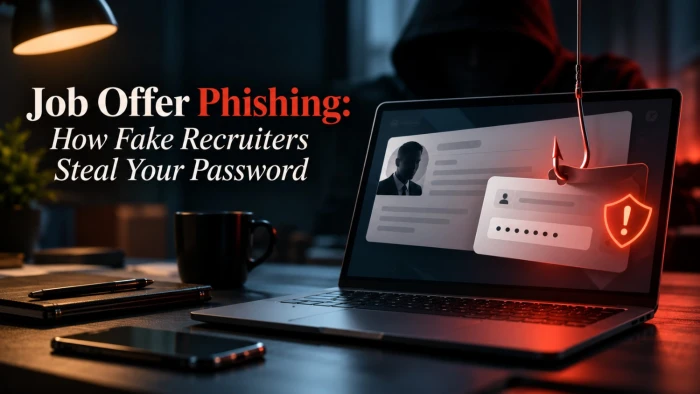
Job Offer Phishing: How Fake Recruiters Steal Your Password
The fastest-growing job scams no longer ask for money. Posing as recruiters at real companies, they phish your Google, M...

How to Get Money Back After Being Scammed Online
Recovering money after an online scam hinges on speed and payment method. This guide covers the odds by rail, the words...
What we do with what you scan.
Reports about domains are public, because their value comes from being readable by the next person who asks the same question. What you personally looked up is not part of that.
- ✓Scans are not tied to your identity or sold to anyone
- ✓No payment accepted from site owners to change a report
- ✓Anyone can report a factual error and we correct it
- ✓Our scoring method is published, not proprietary